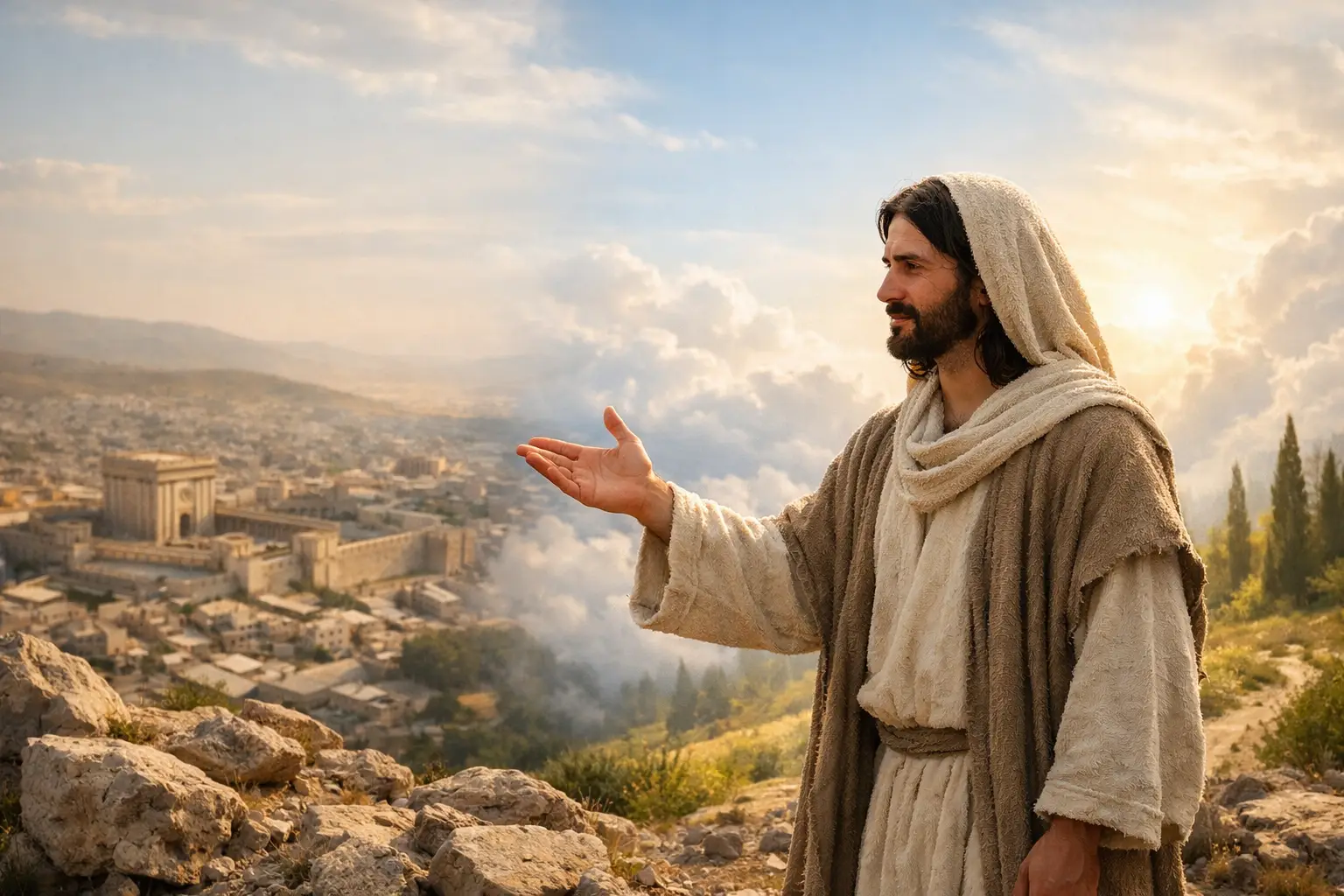
Jesus opened His public ministry with an announcement, not merely an invitation to think about life after death: “The kingdom of God has come near. Repent and believe the good news” (Mark 1:15). That proclamation helps answer the question of kingdom of God vs heaven. The two are closely connected in Scripture, but they are not always saying exactly the same thing.
Many believers use “heaven” as a shorthand for the Christian hope. There is truth in that language. Jesus spoke of His Father’s house and promised that He would prepare a place for His people (John 14:2-3). Yet when we listen carefully to Jesus, we find that the kingdom of God is larger than the place believers go after death. It is the saving reign of God, made known in Christ, received by faith, and one day revealed in fullness.
Is the Kingdom of God the Same as Heaven?
In several passages, the phrases “kingdom of God” and “kingdom of heaven” refer to the same reality. Matthew commonly uses “kingdom of heaven,” while Mark and Luke generally use “kingdom of God” when recording parallel teachings. For example, Matthew says, “Blessed are the poor in spirit, for theirs is the kingdom of heaven” (Matthew 5:3). Luke records, “Blessed are you who are poor, for yours is the kingdom of God” (Luke 6:20).
This difference does not point to two separate kingdoms. Matthew’s wording reflects a Jewish pattern of speaking reverently about God by referring to heaven. The message remains centered on God Himself and His rule.
Still, it is helpful not to flatten the words into a single vague idea. Heaven most directly refers to God’s dwelling place and, in many Christian conversations, to the future blessedness of believers with Him. The kingdom of God emphasizes God’s authority, rule, and redemptive work. It includes the future hope of being with God, but it also speaks powerfully about what God does in the present.
The Kingdom of God Is God’s Reign Through Christ
A kingdom involves a king, and Jesus’ teaching directs us to the reign of God. When He taught His disciples to pray, He said, “Your kingdom come, your will be done, on earth as it is in heaven” (Matthew 6:10). God’s kingdom is not simply an escape from earth. It is the holy rule of God bringing His will to bear on earth.
Jesus demonstrated that reign through His words and works. When He cast out demons, He said, “If I drive out demons by the finger of God, then the kingdom of God has come upon you” (Luke 11:20). His ministry showed God’s authority confronting evil, restoring broken lives, forgiving sins, and calling people back to faithful obedience.
This is why Jesus’ kingdom message always included repentance. To receive God’s reign is not merely to agree that heaven exists. It is to turn from sin, trust the King, and learn to live under His authority. Jesus said, “Not everyone who says to me, ‘Lord, Lord,’ will enter the kingdom of heaven, but only the one who does the will of my Father in heaven” (Matthew 7:21). His words are direct and searching: profession without obedience is not the response He calls for.
The Kingdom Is Present, but It Is Also Future
One reason the kingdom of God vs heaven question can feel confusing is that Jesus spoke of the kingdom as both present and future.
The kingdom was present in Jesus because the King had come. He told people that the kingdom had come near. He described it as growing like a mustard seed and working like yeast through dough (Matthew 13:31-33). These pictures teach patience. God’s reign may begin in ways that appear small or hidden, but its final purpose will not fail.
At the same time, Jesus taught His followers to look ahead. At the Last Supper, He spoke of a future day when He would drink anew with them “in my Father’s kingdom” (Matthew 26:29). He also described the final judgment, when the righteous will “inherit the kingdom prepared for you from the foundation of the world” (Matthew 25:34).
Christians therefore do not need to choose between a kingdom that matters now and a future hope beyond death. Jesus gives both. Through faith in Him, believers belong to God’s kingdom now. They also await the day when Christ returns, evil is judged, creation is renewed, and God’s reign is openly and perfectly seen.
Heaven Is a Real Hope, Not a Detached One
Jesus spoke plainly of heaven as the dwelling of His Father. He told His disciples to store up treasures in heaven (Matthew 6:20), and He assured them that their Father knows their needs (Matthew 6:32). He also promised the repentant criminal beside Him, “Today you will be with me in paradise” (Luke 23:43).
These words give genuine comfort. For those who belong to Christ, death does not have the final word. To be with Jesus is better than anything this fallen world can offer.
Yet the Bible’s hope is not limited to disembodied existence in heaven. The risen Jesus is central to Christian hope, and His resurrection points toward the renewal of all things. Jesus spoke of “the renewal of all things” when His followers would share in His glory (Matthew 19:28). The final vision of Scripture is not people permanently separated from creation, but God dwelling with His people in a renewed creation where death, mourning, crying, and pain are no more.
So, when someone says, “I want to go to heaven,” that can express a true longing to be with God. But Jesus calls us further: to receive and live under the kingdom of God now, while waiting for His kingdom to come in fullness.
How Do We Enter the Kingdom?
Jesus never treated entrance into God’s kingdom as something earned by religious performance. He told Nicodemus, “No one can see the kingdom of God unless they are born again” (John 3:3). This new birth is God’s work, made possible through the Son whom the Father gave so that those who believe in Him may have eternal life (John 3:16).
Jesus also warned against self-reliance. When His disciples asked who could be saved, He answered, “With man this is impossible, but with God all things are possible” (Matthew 19:26). Salvation is grace, not human achievement.
Grace, however, does not leave a person unchanged. Jesus calls His followers to become like children in humility and dependence (Mark 10:15). He commands them to seek first God’s kingdom and His righteousness (Matthew 6:33). He teaches them to forgive, love enemies, care for those in need, remain faithful in temptation, and build their lives on His words.
These actions do not purchase a place in God’s kingdom. They are the fruit of trusting the King. Where Jesus is received as Lord, His teachings increasingly shape the life of His people.
Why This Distinction Matters in Daily Life
If heaven is understood only as a future destination, faith can become detached from the ordinary choices of today. But Jesus’ kingdom teaching brings His authority into our homes, work, relationships, money, words, and private decisions. We ask not only, “What happens when I die?” but also, “What does obedience to King Jesus look like here?”
That question requires humility. None of us lives out the kingdom perfectly. We depend daily on Christ’s mercy, forgiveness, and power. But His call is clear: hear His words and put them into practice (Matthew 7:24).
The kingdom of God is good news because its King is Jesus. He does not merely announce God’s rule from a distance. He came near, gave His life, rose again, and invites sinners to follow Him. As you read the Gospels, pay close attention to every place Jesus speaks about the kingdom. Let His words correct shallow assumptions, strengthen your hope of heaven, and lead you to trust and obey Him today.