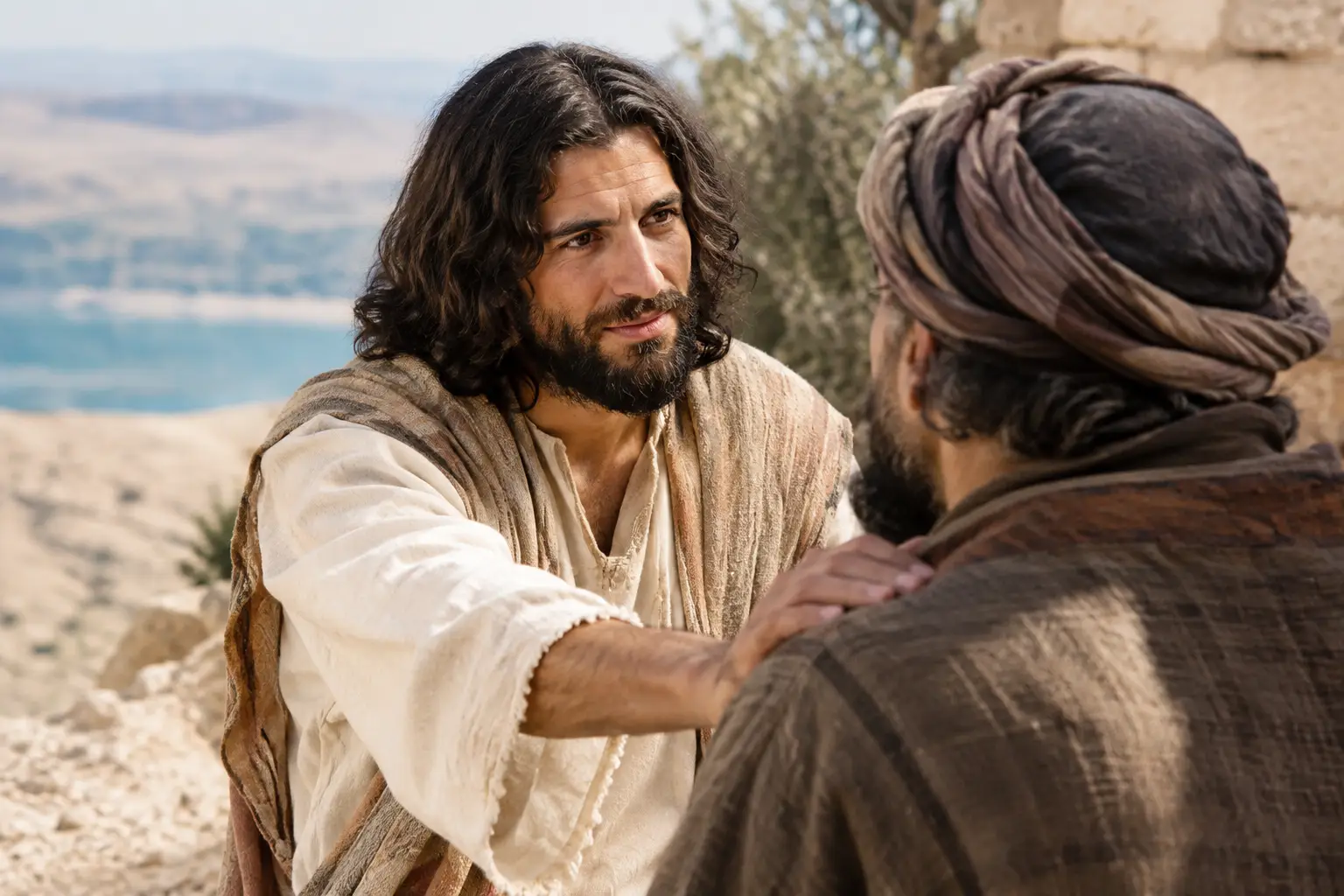
A cutting remark at breakfast. A coworker taking credit for your work. A spouse forgetting a promise. Most wounds do not arrive as dramatic betrayals. They accumulate in ordinary moments, which is why Jesus teaches His followers to forgive daily offenses rather than allowing resentment to become a settled part of the heart.
When the disciples asked Jesus to teach them to pray, He included these words: “Forgive us our debts, as we also have forgiven our debtors” (Matthew 6:12). Forgiveness was not presented as an occasional spiritual achievement for extraordinary situations. It was part of the daily life of a person who depends on God’s mercy.
Why Jesus Connects Forgiveness With Daily Prayer
The Lord’s Prayer begins with God: His name, His kingdom, and His will. It also brings daily needs before Him: daily bread, forgiveness, and protection from temptation. That order matters. We do not forgive others to earn God’s favor. We forgive as people who are continually receiving mercy from Him.
Jesus immediately returned to this theme after teaching the prayer: “For if you forgive others their trespasses, your heavenly Father will also forgive you, but if you do not forgive others their trespasses, neither will your Father forgive your trespasses” (Matthew 6:14-15). These are searching words. Jesus does not permit us to treat God’s forgiveness as something we gladly receive while refusing to extend mercy to someone else.
This does not mean that forgiveness is a payment by which we purchase salvation. Scripture consistently teaches that we are saved by God’s grace. Rather, Jesus exposes the contradiction of a heart that claims to know mercy but is determined to withhold it. Those who have been forgiven much are being formed into people who forgive.
Daily prayer keeps this truth close. Before replaying another person’s failure, we are invited to remember our own need for grace. That remembrance does not minimize what happened. It places the offense before the God who judges rightly and who has shown us immeasurable compassion in Christ.
What It Means to Forgive Daily Offenses
Forgiveness is not pretending that wrong was right. Jesus never treated sin lightly. He called people to repentance, warned against hypocrisy, and spoke plainly about accountability. Forgiveness is a decision to release personal vengeance and to surrender the final judgment of the offender to God.
Paul echoes this teaching when he writes, “Be kind to one another, tenderhearted, forgiving one another, as God in Christ forgave you” (Ephesians 4:32). The pattern is clear: God’s mercy toward us becomes the measure and motive for our mercy toward others.
To forgive daily offenses may begin with a simple prayer: “Father, this hurt me. I release my desire to make this person pay. Help me respond in a way that honors Jesus.” That prayer may need to be repeated. Forgiveness is often a sincere decision that must be renewed when the memory returns or when consequences remain painful.
The word daily is important. Small grievances can become surprisingly powerful when they are collected and protected. A believer may not say, “I hate this person,” yet inwardly rehearse old injuries, become cold, or quietly look for opportunities to return the hurt. Jesus calls His disciples to a different way.
Jesus Calls for Mercy Without Denying Truth
In Luke 17:3-4, Jesus joins correction and forgiveness: “If your brother sins, rebuke him, and if he repents, forgive him.” He even speaks of repeated wrongdoing followed by repentance: “If he sins against you seven times in the day, and turns to you seven times, saying, ‘I repent,’ you must forgive him.”
This teaching corrects two common errors. The first is avoiding every difficult conversation in the name of peace. The second is confronting another person without a willingness to forgive. Biblical love does not choose between truth and mercy. It seeks both.
Some daily offenses should be released quietly. A distracted comment, a minor inconvenience, or an unintentional oversight may not require a formal conversation. Love “does not keep a record of wrongs” (1 Corinthians 13:5). But a repeating pattern, a serious sin, or a wound that is damaging the relationship may need honest, humble discussion.
A faithful conversation does not begin with accusation. It names what occurred, explains its effect, and seeks understanding. The aim is not to win or shame the other person. It is restoration where restoration is possible.
Forgiveness Is Not the Same as Reconciliation
Forgiveness can be offered from one heart before God, even when the other person has not apologized. Reconciliation, however, involves both people. It requires truthfulness, repentance where sin has occurred, and a growing willingness to rebuild the relationship.
Trust is also related to, but different from, forgiveness. Trust may be rebuilt slowly through consistent, observable faithfulness. A person can forgive someone who has lied, stolen, or acted abusively without immediately placing themselves back into an unsafe situation. Wisdom, appropriate boundaries, and help from mature church leaders or qualified professionals may be necessary.
Jesus’ command to forgive never requires a person to deny danger, conceal wrongdoing, or remain exposed to harm. Mercy does not erase justice. It refuses personal revenge while leaving room for rightful protection, accountability, and God’s judgment.
The Question Peter Asked Jesus
Peter once asked Jesus how often he should forgive someone who sinned against him. Peter suggested seven times, perhaps expecting Jesus to affirm a generous limit. Jesus answered, “I do not say to you seven times, but seventy-seven times” (Matthew 18:22).
Jesus was not creating a new tally sheet. He was teaching that kingdom forgiveness cannot be reduced to a manageable number. He then told the parable of a servant forgiven an enormous debt by his master, only to seize a fellow servant who owed him a small amount. The servant’s failure was not that he had forgotten the size of the debt. He had failed to let mercy reshape him.
The parable brings a needed perspective to our daily conflicts. The wrongs done to us can be real and grievous. Yet no believer stands before God as a creditor with a spotless record. At the cross, Jesus bore the cost of our forgiveness. When we forgive, we do not declare that sin has no cost. We remember that Christ has met our deepest debt with mercy.
A Prayerful Way to Respond When You Are Hurt
When an offense happens, a brief pause can keep hurt from becoming sin in our own response. Bring the matter to the Lord before building a case in your mind or sharing it widely with others. Ask Him to show you the situation truthfully, including your own words, assumptions, and reactions.
Then name the offense honestly. Forgiveness that refuses to acknowledge pain can become denial. Tell God what was said or done and why it wounded you. If you need to speak with the person, ask for words that are truthful, calm, and aimed at peace.
Finally, release the right to retaliate. This may mean refusing the sharp reply, the silent punishment, the damaging story told to others, or the private satisfaction of seeing someone fail. Romans 12:19 directs believers not to take revenge but to leave room for God’s righteous judgment.
This process does not make every relationship easy. Sometimes the other person will receive correction with humility. Sometimes they will not. Our responsibility is faithfulness to Jesus, not control over another person’s response.
When Forgiveness Feels Beyond Your Strength
There are offenses that do not feel small or simple. A long history of betrayal, abandonment, manipulation, or violence can make forgiveness seem impossible. No one should use Jesus’ teaching as a weapon to pressure wounded people into superficial words or unsafe choices.
Bring such wounds into the light before God and with wise, trustworthy support. Forgiveness may be a long work of grieving, truth-telling, prayer, and repeated surrender. The power to forgive does not come from pretending we are strong. It comes from abiding in the One who prayed for those who crucified Him: “Father, forgive them” (Luke 23:34).
Jesus knows both the cost of evil and the power of mercy. He does not ask His people to walk this path alone. As we bring daily injuries to Him, He changes us from people ruled by resentment into people marked by His grace.
Today, consider one offense you have been carrying. Place it honestly before the Lord. Ask what obedience looks like: a quiet release, a needed conversation, a wise boundary, or a first step toward reconciliation. Then return to the words of Jesus, and let His mercy guide your next response.
Leave a Reply