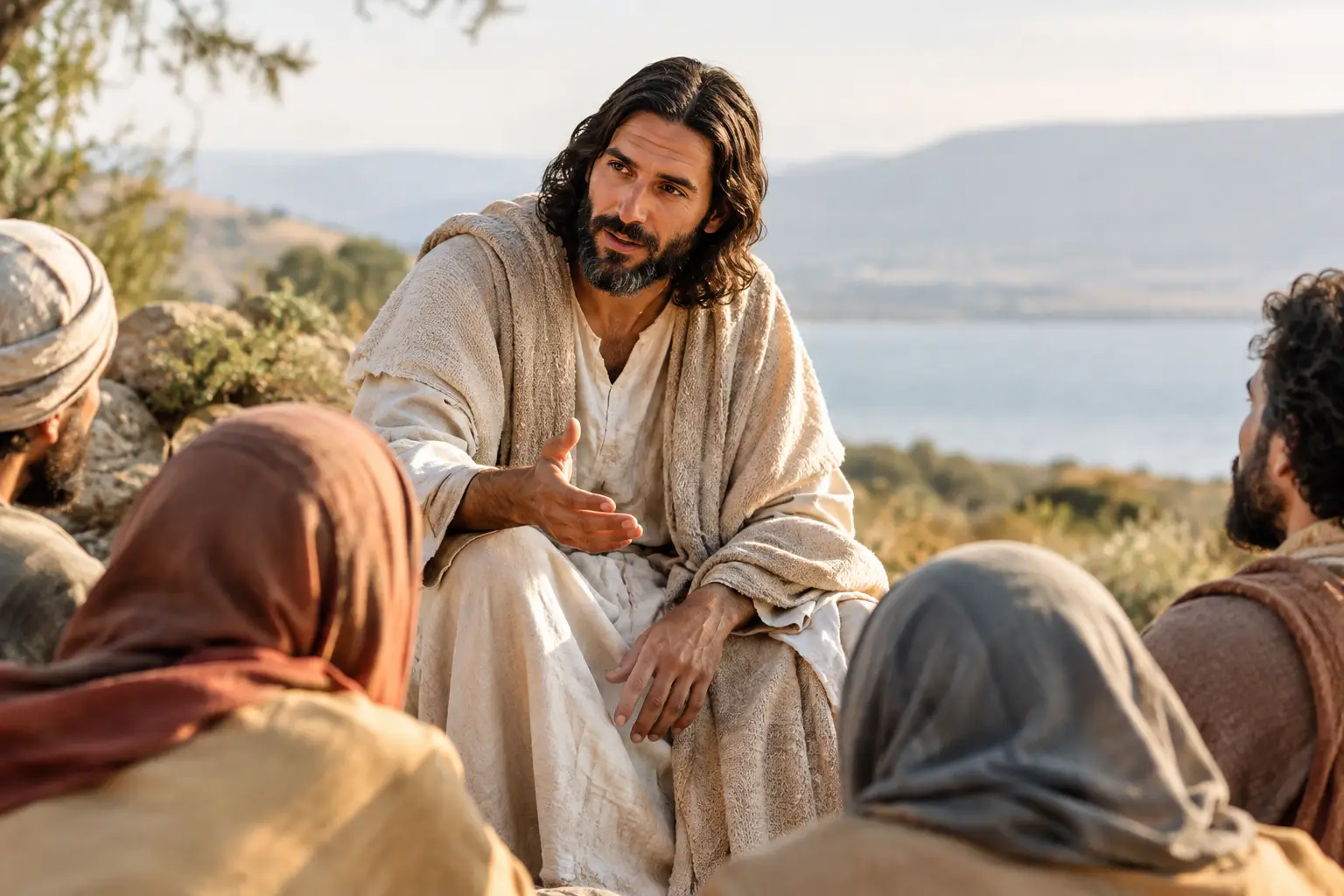
A sermon clip can reach someone during a late-night search. A Bible study can strengthen a small group gathered in a living room. A testimony can remind a discouraged believer that Christ is near. Christian media has real potential to serve the church and introduce seekers to the gospel. Yet its value is not measured only by views, production quality, or the size of its platform. The central question is simpler and more searching: Does it lead people back to the words of Jesus?
Jesus said, “If you abide in my word, you are truly my disciples” (John 8:31). That statement gives Christian communication its proper center. Media can be useful, creative, and far-reaching, but it is never meant to replace personal obedience to Christ. Its best work helps people hear His words more clearly, understand them in their biblical context, and live them faithfully.
What Christian Media Is Meant to Do
Christian media includes far more than television programming or online videos. It can include sermons, Bible studies, articles, devotionals, podcasts, music, documentaries, news reporting, social posts, and conversations shared through digital tools. The format changes, but the calling remains the same: to bear faithful witness to Jesus Christ.
That calling requires more than placing a Bible verse beside a compelling message. Scripture should shape the message itself. Jesus did not call His followers merely to admire His teaching. He called them to obey it. At the close of the Sermon on the Mount, He compared the person who hears His words and does them to a wise man who built his house on the rock (Matthew 7:24-27).
This is why Christian content should do more than offer inspiration for a difficult day. Encouragement matters, and believers need it. But encouragement becomes deeper and more durable when it comes from the truth Jesus taught. His words address forgiveness, prayer, anxiety, humility, money, faithfulness, mercy, repentance, love for neighbor, and hope in God. They do not leave us untouched.
A faithful ministry of communication helps viewers and readers ask, “What did Jesus say?” Then it helps them consider, “What does obedience look like here?”
Christian Media Must Serve, Not Compete With, Scripture
Technology can make biblical teaching available at any hour and in many places. That is a gift. A person without access to a local Bible study may hear the gospel through a broadcast. A pastor may find a teaching resource that clarifies a passage. A family may use a devotional video to begin a meaningful conversation.
Still, accessibility is not the same as discipleship. Watching a short teaching is not identical to studying Scripture. Sharing a verse is not identical to submitting one’s life to Christ. The danger is subtle: people can consume an abundance of religious content while rarely opening the Gospels carefully enough to listen to Jesus for themselves.
Jesus warned against hearing without doing. “Blessed rather are those who hear the word of God and keep it,” He said (Luke 11:28). Christian media serves its audience well when it encourages this kind of response. It should not create dependence on personalities, emotional moments, or constant novelty. It should direct attention to Christ and invite a growing, prayerful engagement with God’s Word.
This also calls for humility from those who create and distribute content. No teacher, presenter, broadcaster, or ministry carries the authority of Jesus Himself. Human teaching can be helpful, but it must remain accountable to Scripture. The Bereans provide a worthy example: they received the message eagerly, then examined the Scriptures daily to see whether what they heard was true (Acts 17:11).
The Measure of Faithfulness Is More Than Reach
A message can spread quickly and still be shallow. A polished program can be visually excellent while giving little biblical clarity. On the other hand, a straightforward Bible study with modest production may help someone understand and obey a difficult teaching of Jesus. Reach matters because people matter, but reach alone is not a reliable measure of spiritual fruit.
Jesus spoke directly to the temptation to seek recognition. “Beware of practicing your righteousness before other people in order to be seen by them,” He taught (Matthew 6:1). Although He addressed acts such as giving, prayer, and fasting, the principle speaks wisely to public ministry. The desire to be noticed can quietly become more important than the desire to be faithful.
Creators and audiences alike can ask better questions. Is Christ being honored? Is the passage being handled carefully? Does this teaching reflect the character and commands of Jesus? Does it encourage love, truth, repentance, prayer, and faithful service? Is it helping people become hearers and doers of the Word?
These questions are not meant to make believers suspicious of every resource. They are meant to build discernment. The goal is not to reject media, but to use it with wisdom.
Clarity Matters More Than Religious Noise
Religious language can sound convincing while remaining unclear about the gospel. Christian communication should speak plainly about who Jesus is, what He taught, why His death and resurrection matter, and what it means to follow Him.
Jesus’ own teaching was often direct, even when it was challenging. He called people to repent and believe the gospel (Mark 1:15). He commanded His disciples to love one another as He had loved them (John 13:34). He taught them to forgive, to pray, to serve, and to trust the Father. Faithful media should not avoid those teachings simply because they require more than a quick reaction.
Clarity also means giving passages their context. A verse should not be treated as a slogan detached from the chapter, the Gospel, or the larger witness of Scripture. When Jesus’ words are allowed to speak in context, they correct assumptions and reveal the depth of His call.
Truth and Grace Belong Together
Some Christian content becomes so cautious that it hesitates to state biblical truth clearly. Other content speaks forcefully but lacks the gentleness and compassion seen in Jesus. Neither approach reflects Him well.
Jesus was full of grace and truth (John 1:14). He welcomed those who came to Him, confronted sin honestly, cared for the overlooked, and spoke of the kingdom of God with authority. Christian media should reflect that same pattern. It should neither soften the words of Jesus until they lose their meaning nor use truth as a weapon against people.
This matters especially when addressing questions that carry personal pain. A person searching for answers about failure, fear, broken relationships, or doubt needs more than a slogan. They need the steady truth of Christ presented with patience, care, and biblical conviction.
A Wise Way to Receive Christian Content
Viewers and readers have a responsibility too. The abundance of available content makes discernment necessary. Rather than asking only whether a message feels encouraging, believers should test whether it is faithful to Scripture.
Begin with the Gospels. Read what Jesus actually said, noting whom He was addressing and why. Then consider how the rest of Scripture explains, supports, and harmonizes with His teaching. Prayerfully ask the Holy Spirit for understanding and a willing heart.
It is also wise to remain connected to the body of Christ. Digital teaching can be a meaningful support, but it cannot fully replace the encouragement, correction, service, and shared worship found among believers. Jesus formed disciples in relationship, and His church is called to build one another up in love.
For churches, pastors, and Christian communicators, the opportunity is significant. A video, broadcast, article, or study can be more than content filling a schedule. It can be an act of service. When created with biblical care, it can help a weary believer return to prayer, a new Christian begin reading the Gospels, or a searching person encounter the claims of Jesus with clarity.
JesusSaid.tv exists for this purpose: to keep the teachings of Jesus at the center and to encourage people to examine His words carefully. The tools may continue to change, but the need remains constant. People need more than religious noise. They need to hear Christ.
The next time you watch, share, or create Christian content, pause with one question before you move on: Is this drawing me closer to the words of Jesus and inviting me to obey them? That question can turn media from a passing distraction into a faithful aid for following the One who said, “Follow me.”
Leave a Reply