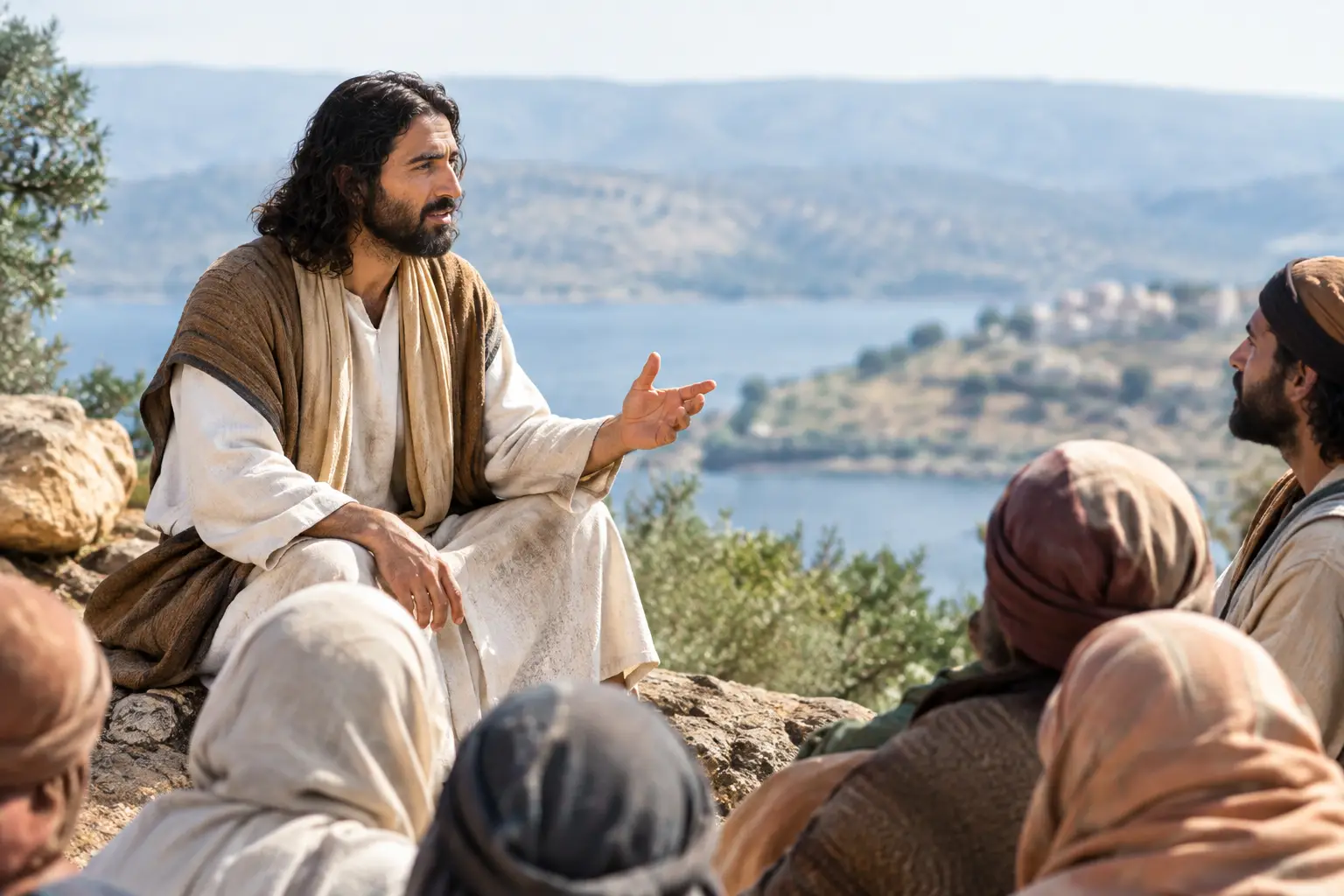
A difficult conversation, a quiet disappointment, an unfair accusation, a neighbor in need – these ordinary moments reveal what is ruling our hearts. Jesus’ words in Matthew 5:3-12, often called the Beatitudes, speak directly into such moments. The beatitudes for daily life are not a collection of pleasant religious sayings. They describe the character of people who belong to the kingdom of God and live under the gracious rule of the King.
Jesus began the Sermon on the Mount by calling certain people “blessed.” In Scripture, blessed does not merely mean comfortable, successful, or free from hardship. It speaks of God’s favor and the deep good of belonging to Him. Jesus does not promise an easy path. He tells us that His kingdom produces a life marked by humility, repentance, mercy, purity, peace, and faithful endurance.
The Beatitudes Begin With the Kingdom
Matthew presents Jesus proclaiming, “Blessed are the poor in spirit, for theirs is the kingdom of heaven.” This opening statement sets the direction for every blessing that follows. The kingdom belongs not to those who approach God with spiritual self-confidence, but to those who recognize their need for Him.
To be poor in spirit is not to despise the gifts God has given or to pretend that every believer has the same personality. It is to come before God without claiming spiritual credit. We do not earn a place in His kingdom through moral achievement, religious activity, knowledge, or influence. We come as needy people who trust His mercy.
That posture changes daily life. A believer who knows he needs grace is less eager to defend every mistake. A parent can apologize. A ministry leader can receive correction. A friend can listen without preparing a counterargument. Humility is not weakness. It is an honest response to God’s holiness and kindness.
Beatitudes for Daily Life in a Broken World
Jesus next says, “Blessed are those who mourn, for they shall be comforted.” He is not praising sorrow for its own sake. The Bible does not ask us to deny real grief or force a cheerful appearance when life is painful. Jesus Himself wept at the tomb of Lazarus.
Those who mourn bring their losses, sins, and the brokenness of the world before God. They refuse to make peace with what grieves the heart of God. This includes personal repentance, but it also includes sorrow over suffering, injustice, division, and unbelief. Jesus promises comfort, not because pain is insignificant, but because God is present and His final restoration is sure.
The meek, Jesus says, “shall inherit the earth.” Meekness is sometimes confused with passivity. Yet biblical meekness is strength submitted to God. It does not retaliate to preserve pride, and it does not demand control at every turn. Jesus described Himself as “gentle and lowly in heart,” and He showed that meekness can speak truth, confront sin, and endure suffering without surrendering to bitterness.
In daily life, meekness may mean responding carefully when someone speaks harshly. It may mean refusing to use power selfishly at work. It may mean entrusting an outcome to God when we cannot make another person change. Meekness does not ignore wisdom, boundaries, or justice. It places our strength under the authority of Christ.
Hunger for What Is Right
“Blessed are those who hunger and thirst for righteousness, for they shall be satisfied.” Hunger and thirst are not casual preferences. Jesus describes a deep desire for what is right before God.
This righteousness includes a life that reflects God’s will, but it is not limited to private morality. Those who hunger for righteousness want their thoughts, words, relationships, and decisions to be aligned with the character of God. They also long to see what is wrong made right. Such desire should lead us first to prayer, repentance, and faithful obedience rather than self-righteousness.
A person who hungers for righteousness will ask searching questions before a decision: Does this honor Christ? Is it honest? Does it love my neighbor? Am I seeking God’s will, or merely a result that benefits me? Jesus promises that this holy desire will not be wasted. God satisfies His people ultimately in His presence, while also shaping them now through His Word and Spirit.
Mercy, Purity, and Peace at Home
Jesus says, “Blessed are the merciful, for they shall receive mercy.” Mercy sees need and moves toward it. It does not excuse evil or deny the need for truth. Rather, mercy remembers how generously God has dealt with us.
Daily mercy may look less dramatic than we expect. It can be patience with a struggling family member, a willingness to forgive someone who has sincerely repented, practical help for a person in hardship, or a gentle response when irritation would be easier. Mercy has boundaries, and forgiveness does not always mean immediate restoration of trust. Still, followers of Jesus are called away from contempt and revenge.
“Blessed are the pure in heart, for they shall see God.” Purity of heart is more than outward appearance. It concerns the inner life – the motives, desires, imagination, and loyalties that God sees fully. Jesus later warns against a righteousness that looks impressive publicly while the heart remains far from God.
A pure heart is not a sinless heart achieved by human effort. It is a heart being cleansed and made whole by God. Psalm 51 gives us a fitting prayer: “Create in me a clean heart, O God.” This purity grows as we confess sin, receive Christ’s forgiveness, fill our minds with God’s truth, and turn away from habits that divide our allegiance.
Then Jesus calls peacemakers blessed, “for they shall be called sons of God.” A peacemaker is not simply someone who avoids disagreement. False peace can hide sin, silence needed truth, and leave wounds untreated. Christian peacemaking seeks reconciliation through truth, humility, repentance, forgiveness, and patient love.
This calling begins close to home. Before speaking about peace broadly, we should consider the tension in our own families, churches, workplaces, and friendships. Have we spread a report we did not need to repeat? Have we allowed resentment to grow? Have we delayed a needed conversation? Jesus teaches His disciples to pursue reconciliation seriously, even urging a worshiper to be reconciled with a brother before presenting an offering.
Faithfulness When Obedience Costs Something
The final Beatitudes are sobering: “Blessed are those who are persecuted for righteousness’ sake,” and, “Blessed are you when others revile you and persecute you.” Jesus does not tell His followers to seek conflict or act offensively. The blessing concerns suffering that comes because a person faithfully belongs to Him and walks in righteousness.
For many believers, the cost may appear in quiet forms: being misunderstood for a biblical conviction, declining a dishonest practice, refusing to participate in cruel speech, or remaining faithful when compromise would be easier. Jesus tells His disciples to rejoice because their reward is in heaven and because they stand in the line of God’s faithful servants.
This promise gives courage without producing hostility. Christians are not called to treat opposition as a badge of superiority. We are called to remain faithful, to pray for those who oppose us, and to remember that Jesus Himself endured rejection before entering His glory.
Let Jesus Form Your Ordinary Responses
The Beatitudes are not a checklist by which we earn God’s acceptance. They first reveal the life of Jesus Himself. He was humble, sorrowful over sin, meek, righteous, merciful, pure, a maker of peace, and faithful in suffering. As we trust Him, He forms these same kingdom qualities in us.
One helpful practice is to read Matthew 5:3-12 slowly at the beginning or end of the day. Choose one beatitude and bring it honestly before the Lord. Where do you need to confess pride? Whom do you need to show mercy? Is there a relationship where you can pursue truthful peace? Ask God not simply to improve your circumstances, but to make your heart more like Christ.
The words of Jesus call us to a different kind of blessed life – one not measured by ease, applause, or control. As you continue studying His teaching, let the Beatitudes meet you in the places where faith becomes visible: the next conversation, the next decision, and the next opportunity to follow Him.
Leave a Reply